The 24-48 Hours After a Hard Workout: What Your Body Needs
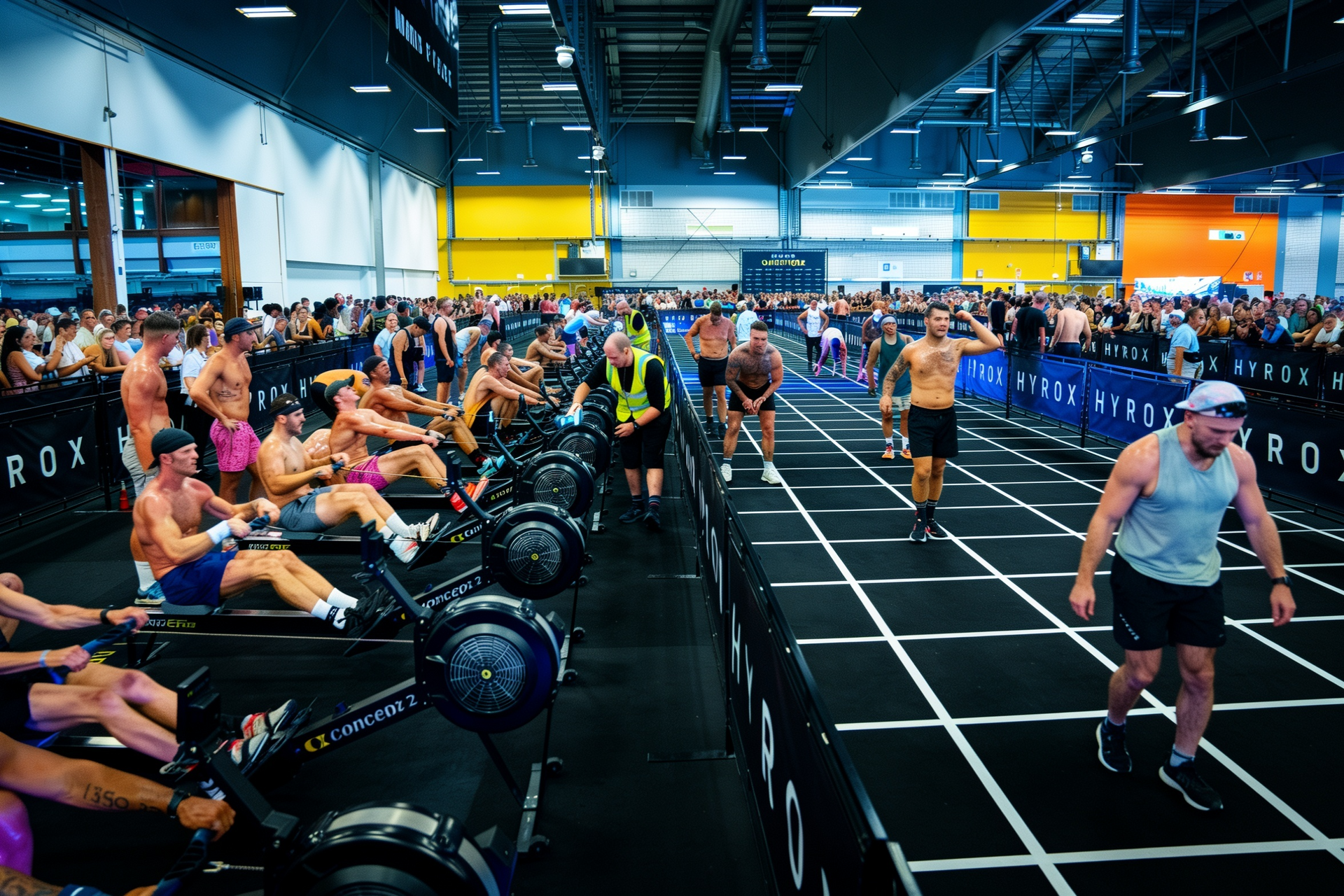
The workout ends, but the real work your body does happens in the day or two after. If you've pushed hard in a HIIT class or a HYROX-style event, what you do in the next 24 to 48 hours has a real effect on how sore you are, how well you sleep, and how ready you are for the next session.
What's actually happening in your muscles
Intense training, especially anything with heavy eccentric loading like sled pulls, wall balls, or repeated squats, causes microscopic damage to muscle fibers. That damage is a normal part of getting stronger, but it's also what causes delayed onset muscle soreness (DOMS), which typically peaks 24 to 72 hours after training rather than right away. Inflammation rises as your body repairs the tissue, and that process needs time, fluid, and nutrients to run smoothly.
The first few hours: hydration and food
Rehydrating and getting protein and carbohydrates into your system within a couple of hours of a hard session supports muscle repair and glycogen restocking. Water alone isn't always enough after heavy sweating in Tucson heat, since you're also losing electrolytes.
Sleep does more than rest does
Growth hormone release and much of the body's tissue repair happen during deep sleep. Cutting sleep short after a hard training block undercuts recovery more than almost anything else you can control.
Active recovery vs. total rest
Complete rest isn't always the best option. Light movement, walking, easy cycling, or gentle mobility work, keeps blood flowing to sore muscles without adding more training stress. The right amount depends on how hard the session was and how you're feeling, so listen to your body rather than following a fixed rule.
Where recovery tools fit in
Compression, contrast therapy, and percussion or massage tools are popular for a reason. They won't undo poor sleep or a skipped meal, but they can help with circulation and how sore you feel in the meantime. If you want to build recovery into your routine rather than guessing at a home setup, consider contrast therapy, compression, and other recovery modalities.
Watch for the difference between soreness and injury
Ordinary DOMS feels like generalized muscle tightness that eases with movement over a couple of days. Sharp, localized pain, swelling in a joint, or pain that gets worse instead of better is a different signal, and it's worth having it looked at rather than pushing through it.
A simple post-workout routine
- Rehydrate with water and electrolytes right after training
- Eat a meal with protein and carbohydrates within a couple of hours
- Prioritize a full night of sleep
- Move lightly the next day instead of sitting still or training hard again
- Use a recovery tool, like contrast therapy or compression, if soreness is limiting your movement
Building recovery into your training block
If you're training for a HYROX event or a race with a team, recovery matters as much as the training itself, since burned-out athletes on race day undo months of preparation. And if your team needs shirts or banners for the event, Bling by Design handles custom apparel and signage for gym groups and race teams in Tucson.
Train with F45 Tucson and build recovery into your plan from the start, not as an afterthought.