
Training on a GLP-1: How to Keep Muscle While You Lose Weight

1 November 2026

Share this article

More of our members are walking in on a GLP-1 medication like semaglutide or tirzepatide, and many of them ask the same question: does working out still matter if the medication is doing the heavy lifting? The answer is yes, and in some ways it matters more than it did before.

These medications are very good at reducing appetite. That means less food overall, which drives weight loss. But the scale doesn't distinguish between fat and muscle, and when you're eating much less, your body will happily give up some of both. What you do in the gym is the biggest lever you have over which one you lose.

This post covers why muscle matters during GLP-1 weight loss, how to train when your energy and intake are lower than usual, and what to talk to your prescriber about.

1. Why Muscle Is the Thing to Protect

Research on GLP-1 medications has found that a meaningful share of the weight people lose can come from lean mass, not just fat. That's not unique to these drugs. It happens with most rapid weight loss, especially when protein is low and there's no resistance training in the mix.

Muscle is worth protecting for reasons that go well beyond how you look. It's what lets you carry groceries, get up off the floor, and stay steady on uneven ground. It's also metabolically active tissue that helps your body manage blood sugar. People who lose a lot of muscle during weight loss often find the weight easier to regain later, and they can end up weaker than when they started.

The goal, then, isn't just a smaller number on the scale. It's losing fat while holding on to as much strength as possible, so the body you end up with is one that works well.

2. Resistance Training Is Non-Negotiable

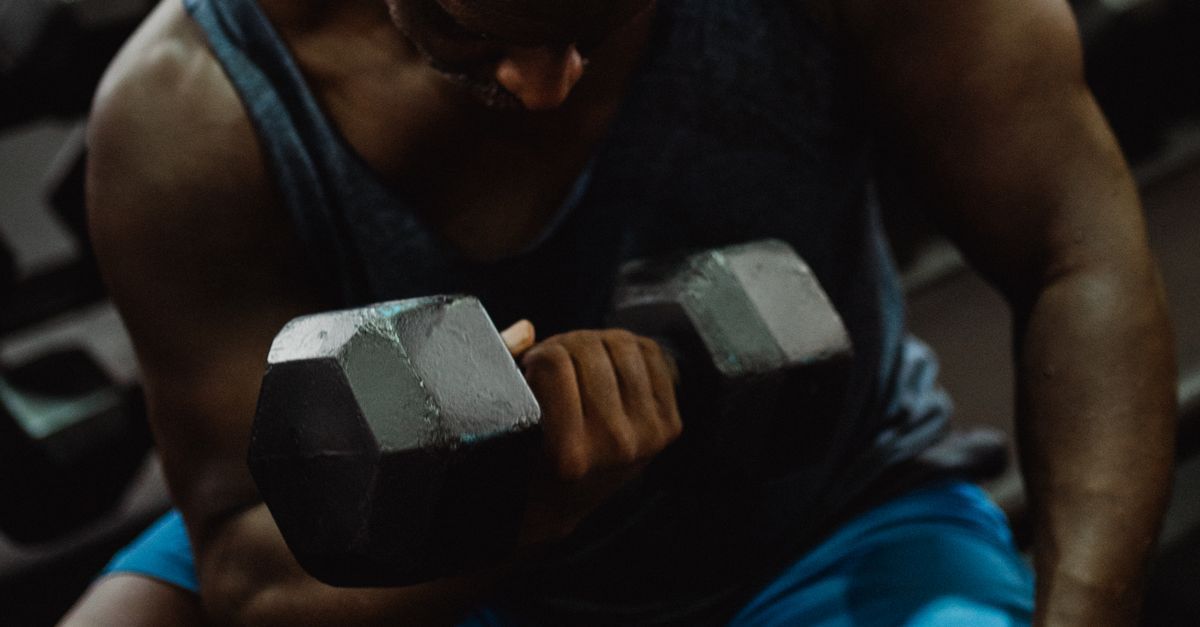
If you only change one thing, make it this: lift something heavy, regularly. Resistance training sends your body a clear signal that muscle is still needed, which makes it far less likely to break it down for energy.

For most people, two to three strength-focused sessions a week is a solid target. Focus on big, multi-joint movements that train a lot of muscle at once: squats, hinges like deadlifts and kettlebell swings, pushes, pulls, and loaded carries. These are the backbone of functional training, and they translate directly into everyday strength.

Progress still matters. The aim is to gradually add load or reps over weeks, not to survive the session. If your weights are going down month after month, that's worth paying attention to and raising with your provider.

3. Adjust the Intensity, Not the Habit

Eating less means less fuel, and some members notice they fade faster during high-intensity intervals than they used to. That's normal, and it's not a reason to stop showing up.

A few adjustments help. Eat something with protein a couple of hours before training if your appetite allows it. Prioritize the strength stations and let yourself take the cardio portions at a more sustainable pace. Hydrate deliberately, especially in Tucson's heat, since lower food intake also means less water coming in from food. And if you feel lightheaded, shaky, or unusually wiped out, stop and tell a coach.

Common GLP-1 side effects like nausea can also be worse right after a dose increase. Many members find it easier to schedule harder sessions away from those days.

4. Protein Does Half the Work

Training gives your body the reason to keep muscle. Protein gives it the material. When appetite is suppressed, it's easy to graze on whatever sounds tolerable and end up far short on protein without realizing it.

A practical approach is to build each meal around a protein source first and fill in the rest after: eggs, Greek yogurt, cottage cheese, chicken, fish, beans, tofu, or a protein shake when solid food isn't appealing. Your exact target depends on your body size, activity, and health history, so ask your prescriber or a dietitian for a number that fits you.

5. Work With Your Prescriber, Not Around Them

The best results come when your training and your medical care are pointed at the same goal. Tell your provider you're training, ask how they're tracking body composition rather than just weight, and bring up any changes in strength or energy.

A well-run medical weight loss program will be watching for this already. For a clear look at what to expect before you start, including side effects, nutrition, and preserving muscle on GLP-1 treatment, this guide from a nurse practitioner who prescribes these medications is a good place to begin.

Conclusion

GLP-1 medications can make weight loss far more achievable, but they don't decide what kind of weight you lose. Regular strength training, enough protein, smart adjustments on low-energy days, and open communication with your provider all push the balance toward losing fat and keeping muscle.

If you're starting or already on a GLP-1 and want a training plan that supports it, come try a class at F45 Training Tucson. Let your coach know where you're at, and we'll help you build strength through the whole process.

Recent Posts

27 September 2026
What actually happens in your muscles after a hard HIIT or HYROX session, and a simple 24-48 hour routine for hydration, sleep, and active recovery.
Indoor rowing competition with athletes on machines in a large gymnasium, cheering crowd in the background
23 July 2026
Compare CrossFit and HYROX, including their workouts, training styles and difficulty, and learn how F45 Tucson can help you prepare for either.
F5 Training logo in purple with red and blue horizontal stripes on white background
5 July 2026
What is functional training? Learn how functional fitness improves strength, mobility, balance, endurance, and everyday movement—and why F45 Training Tucson is built around it.
F45 Training and HYROX workout logo on a black background with red and white accents
5 July 2026
Train smarter for your next HYROX event with F45 Training Tucson. Learn what HYROX is, how to prepare, and why F45 workouts are the perfect foundation for race-day success.